
Call: 08045815706
 Send Inquiry
 Send Inquiry
Waste Water Desalination
MOQ : 10000 Liters
Waste Water Desalination Specification
- Feature
- High recovery, Low maintenance, Skid mounted, User friendly interface
- Water Out Conductivity
- <10 S/cm
- Technology
- Reverse Osmosis (RO)
- Frequency
- 50/60 Hz
- Water in conductivity
- 1000-35000 S/cm
- Efficiency (%)
- 90-99%
- Noise Level
- 70 dB
- Pump Type
- High Pressure Multistage Pump
- Power Consumption
- 3-12 kW (Depending on capacity)
- Recycle Rate
- Up to 90%
- Flow Rate
- Customizable depending on design
- Ph Level
- 6.5 - 8.5
- Usage & Applications
- Industrial water treatment, Effluent recycling, Desalination of sewage and brackish water
- Purity Level
- Up to 99.5%
- Material
- Stainless Steel, FRP, PVC
- Volume
- Variable as per requirement
- Product Type
- Desalination Plant
- Power Source
- Electric
- Water Source
- Industrial Waste Water / Brackish Water / Municipal Wastewater
- Drive Type
- Electric Motor
- Voltage
- 220-240 V
- Automatic Grade
- Automatic
- Filter Type
- Multi-stage filtration with RO, UF, Cartridge filters
- Capacity
- 50 LPH - 50000 LPH
- Installation Type
- Containerized/Skid-Mounted/On-site
- Maintenance
- Routine membrane cleaning required
- Discharge Compliance
- Meets local effluent discharge norms
- Dimension (L x W x H)
- As per plant capacity/design
- Ambient Operating Temperature
- 5C - 45C
- System Control
- PLC/SCADA controlled
- Membrane Type
- Spiral wound polyamide composite
- Feed Pressure
- 8-20 bar
- Pretreatment Required
- Yes (Sand filter, Activated carbon filter, etc.)
- Shipping Condition
- Fully assembled or Modular delivery
- Service Support
- Available on call and onsite
- Brine Management
- Automated Reject Management System
Waste Water Desalination Trade Information
- Minimum Order Quantity
- 10000 Liters
- Main Domestic Market
- All India
About Waste Water Desalination
Owing to the affluent market experience, we are offering a broad series of Waste Water Desalination. It is used to produce the water quality of many industries sectors. This range is appropriate for pulp, textile and other commercial industries. It aids to convert a sea water into a drinking water on ships. Waste Water Desalination is perfectly designed to treat for municipal waste water. It also removes the salt and other various contaminants.
Advanced Membrane Technology
The system employs spiral wound polyamide composite membranes that provide high selectivity and mechanical strength, ensuring effective desalination of industrial and municipal waste water. This technology supports a wide range of feed water conductivities and delivers purified water with less than 10 S/cm conductivity.
Automated System Control
Process monitoring and control are achieved through sophisticated PLC/SCADA systems. Users benefit from automated operations, real-time diagnostics, and easy adjustment of system parameters to optimize performance and maintain compliance with safety and discharge norms.
Efficient Pretreatment Solutions
Comprehensive pre-filtration, including sand and activated carbon filters, safeguards the RO membrane by removing particulates, organics, and chlorine. This multi-stage approach extends membrane life and ensures consistent water quality throughout the process.
FAQs of Waste Water Desalination:
Q: How does the spiral wound polyamide composite membrane improve desalination efficiency?
A: The spiral wound polyamide composite membrane offers high rejection rates for salts and contaminants. Its robust design enables efficient separation while withstanding pressures of 820 bar, resulting in purified water with conductivity under 10 S/cm.Q: What pretreatment steps are required before reverse osmosis in this system?
A: Pretreatment involves using sand filters and activated carbon filters to remove suspended solids, organics, and chlorine. These steps are essential to prevent membrane fouling and ensure optimal system performance.Q: When is routine membrane cleaning necessary, and what does it involve?
A: Routine membrane cleaning is recommended according to operational hours and feed water quality, typically every few months. Cleaning uses approved chemicals to restore membrane permeability and extend service life.Q: Where can this desalination system be installed, and what are the delivery options?
A: The system is suitable for on-site, containerized, or skid-mounted installation at industrial, municipal, and commercial facilities. It is delivered fully assembled or in modular components, depending on customer requirements and plant capacity.Q: What processes are managed by the automated PLC/SCADA system?
A: The PLC/SCADA system oversees filtration, pressure regulation, reject management, and system diagnostics. It provides automated control for flow rates, ensures compliance with discharge norms, and supports user-friendly interface operations.Q: How is brine managed in this desalination unit?
A: An Automated Reject Management System collects and disposes of brine efficiently, ensuring the concentrate is handled according to local regulations and minimizing environmental impact.Q: What are the main benefits of using this waste water desalination solution?
A: Key benefits include up to 99.5% water purity, high recovery rates (up to 90%), reduced power consumption (312 kW), low noise operation, and reliable service support. The system is user-friendly, low maintenance, and complies with local effluent discharge standards.
Tell us about your requirement

Price:
Quantity
Select Unit
- 50
- 100
- 200
- 250
- 500
- 1000+
Additional detail
Mobile number
Email

More Products in Waste Water Treatment Plant Category
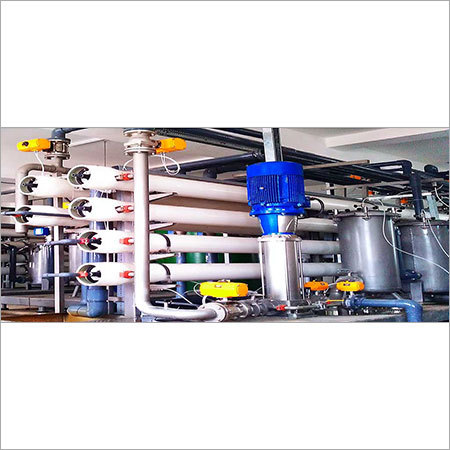
Zero Liquid Discharge Plant
Minimum Order Quantity : 10000 Liters
Water Source : Other, Industrial Effluent, Municipal Wastewater, RO Reject
Feature : Low Maintenance, High Recovery Rate, Energy Efficient, Environment Friendly
Product Type : Zero Liquid Discharge Plant
Power Consumption : Ranges from 15 kW to 250 kW depending on capacity
Pump Type : Centrifugal/ Dosing/ Reciprocating/ Submersible
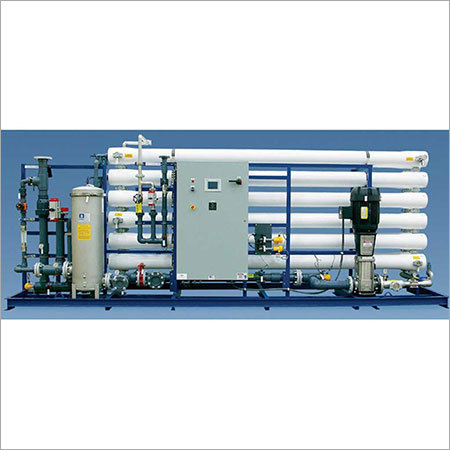
Salt Recovery Plant (Nano Filtration System)
Minimum Order Quantity : 10000 Liters
Water Source : Other, Industrial Effluent, Brine, RO Rejects
Feature : Low operating cost, High recovery ratio, Reduced sludge generation
Product Type : Salt Recovery Plant Nano Filtration System
Power Consumption : 1015 kW (Depending on Capacity)
Pump Type : Centrifugal / High Pressure Pump
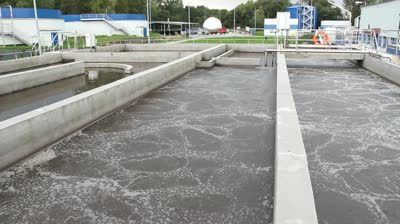
Zero Liquid Discharge
Minimum Order Quantity : 10000 Liters
Water Source : Industrial wastewater, Other
Feature : Complete elimination of liquid waste
Product Type : Water Treatment System
Power Consumption : Customized as per requirement
Pump Type : Centrifugal or Positive Displacement
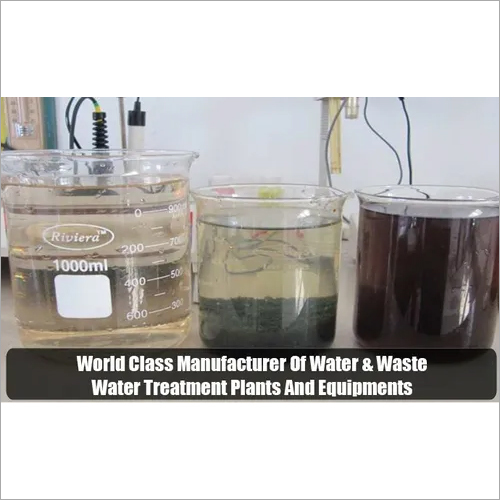
Waste Water Treatment Plant
Minimum Order Quantity : 10000 Liters
Water Source : Other
Feature : PLC BASED AUTOMATED PLANT
Product Type : Effluent Treatment Plants

Contact Details
GST : 33AAACZ9069R1ZE
- S.S. No.-303.3K, Serapalayam Post, Bodipalayam Road,Coimbatore - 641105, Tamil Nadu, India
- Phone :08045815706

 Send Inquiry
- Mobile :09585547031

Developed and Managed by Infocom Network Private Limited.
