Call: 08045815706
 Send Inquiry
 Send Inquiry
Zero Liquid Discharge Plant
MOQ : 10000 Liters
Zero Liquid Discharge Plant Specification
- Flow Rate
- As per design, up to 500 m3/day or higher
- Recycle Rate
- 90-95%
- Frequency
- 50-60 Hz
- Power Consumption
- Ranges from 15 kW to 250 kW depending on capacity
- Pump Type
- Centrifugal/ Dosing/ Reciprocating/ Submersible
- Technology
- Membrane Separation, MEE, Crystallizer, RO, UF, Biological
- Noise Level
- <75 dB
- Ph Level
- 6.5-8.5
- Feature
- Low Maintenance, High Recovery Rate, Energy Efficient, Environment Friendly
- Usage & Applications
- Industrial Wastewater Treatment, Effluent Recycling, Textile, Chemical, Pharma, Power Plants
- Water Out Conductivity
- <10 µS/cm
- Water in conductivity
- 1,000-40,000 µS/cm
- Efficiency (%)
- >95%
- Automatic Grade
- Automatic/Semi-Automatic
- Water Source
- Industrial Effluent, Municipal Wastewater, RO Reject
- Purity Level
- Up to 99%
- Power Source
- Electric
- Volume
- Customizable as per client requirement
- Material
- SS304/SS316, FRP, Mild Steel with Epoxy Coating
- Drive Type
- Electric Motor Driven
- Voltage
- 380-440 V AC, 3 Phase
- Product Type
- Zero Liquid Discharge Plant
- Filter Type
- Micron Filter, Sand Filter, Activated Carbon Filter
- Capacity
- 5 KLD to 1000 KLD and above
- Installation Type
- Containerized/Skid Mounted/Stationary
- Feed PH Range
- 3-10
- Service & Support
- On-site Installation, Commissioning, AMC Available
- Design Life
- Minimum 15 years
- Color
- Blue/Gray/Custom as per order
- Discharge Norms Compliance
- CPCB/SPCB Guidelines
- Skid Mounted Option
- Available
- Pretreatment
- Screening, Equalization, Chemical Dosing
- Brine Handling Options
- Evaporation, Crystallization or as per client requirements
- Control System
- PLC/SCADA Controlled
- Inlet Pressure
- 2-6 Bar
- Discharge Method
- Solid Crystallized Salt/Zero Discharge Water
- Operating Temperature
- 5C to 60C
- Project Delivery
- 6-24 weeks based on scope
Zero Liquid Discharge Plant Trade Information
- Minimum Order Quantity
- 10000 Liters
- Main Export Market(s)
- Africa, Asia
- Main Domestic Market
- All India
About Zero Liquid Discharge Plant
Since our inception in 2011, we have been engaged in manufacturing and supplying the premium quality Zero Liquid Discharge Plant. This plant is extensively used for water purification to remove the several contaminants to make waste water drinkable. The offered plant is assembled at our ultra-modern production unit under the stern observation of our skilled professionals using quality-assured components and cutting-edge techniques. Moreover, this Zero Liquid Discharge Plant can be purchased by our clients at marginal price.
Features:
- Superior durability
- Low maintenance
- High effectiveness
- Excellent functionality
Advanced PLC/SCADA Automation
The ZLD system features sophisticated PLC/SCADA-based controls, enabling precise monitoring and automation of complex treatment sequences. Real-time data logging and alarms ensure reliability, safety, and minimal manual intervention. This technology package allows seamless integration with existing facility management systems, facilitating consistent performance and regulatory compliance.
Robust Pretreatment and Brine Management
Initial treatment stages include screening, equalization, and carefully calibrated chemical dosing, which together prepare feedwater across a wide pH and conductivity range. Brine management is adaptable: options include evaporation, crystallization, or client-specific solutions. Solid salts are safely separated, achieving truly zero liquid discharge and minimizing environmental impact.
Flexible Configurations and High Efficiency
With customizable capacity, multiple mounting options, and a design life exceeding 15 years, the plant serves a broad spectrum of industries. Versatile pump and filter types handle varied industrial effluents, while efficient polishers guarantee treated water conductivity below 10 S/cm and a recovery rate greater than 95%. This ensures operational flexibility and highly sustainable water use.
FAQs of Zero Liquid Discharge Plant:
Q: How does the Zero Liquid Discharge Plant process industrial wastewater to comply with CPCB/SPCB guidelines?
A: The ZLD Plant integrates rigorous pretreatment, membrane separation, evaporation, and crystallization units. This process transitions feedwater through screening, chemical conditioning, and multiple filtration steps to remove suspended solids and impurities. The final stage separates salts and recovers high-purity water, ensuring that all discharge conforms to CPCB/SPCB water quality norms.Q: What types of feedwater can the ZLD Plant handle, and for which industries is it suitable?
A: The system accommodates a broad range of industrial effluents, including municipal wastewater and RO reject streams with high conductivity (up to 40,000 S/cm) and pH 3-10. It is ideal for sectors such as textile, pharmaceuticals, chemicals, and power generation that require strict water reuse, minimal liquid discharge, and robust environmental compliance.Q: When is on-site installation and commissioning provided, and what ongoing support is available?
A: On-site installation and commissioning are offered as part of the project delivery, which ranges from 6 to 24 weeks depending on scope. After installation, annual maintenance contracts (AMCs) and technical support ensure smooth operation and long-term reliability of the ZLD plant.Q: Where can the ZLD Plant be installed, and what mounting options are available?
A: The plants flexible design allows for installation in varied environments: it is available as containerized, skid-mounted, or stationary units to suit space and mobility needs. Customization ensures the system integrates seamlessly into new or existing facilities at industrial, municipal, or remote locations.Q: What benefits does the PLC/SCADA control system bring to plant operation?
A: PLC/SCADA automation enhances plant efficiency through centralized control, real-time process monitoring, and reduced manual intervention. It optimizes energy use, provides detailed operational data, improves fault detection, and ensures compliance by maintaining stable conditions throughout the treatment process.Q: How does the brine handling process work in this ZLD system, and what are the options?
A: Brine from the treatment process can be managed via evaporation, crystallization, or according to client-specific needs. The system converts concentrated brine into solid salts for secure disposal while recovering water, ensuring zero liquid discharge and reducing environmental risk.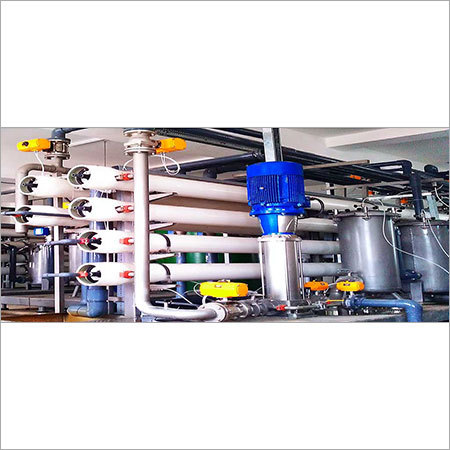
Tell us about your requirement

Price:
Quantity
Select Unit
- 50
- 100
- 200
- 250
- 500
- 1000+
Additional detail
Mobile number
Email

More Products in Waste Water Treatment Plant Category
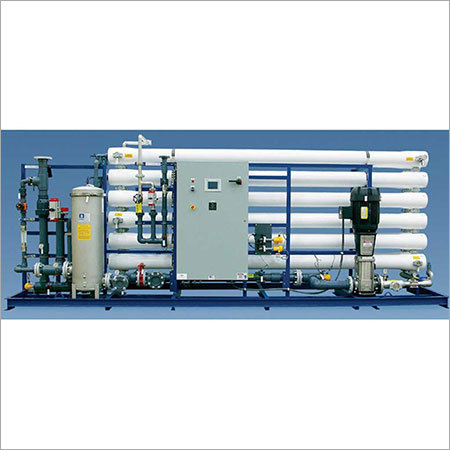
Salt Recovery Plant (Nano Filtration System)
Minimum Order Quantity : 10000 Liters
Pump Type : Centrifugal / High Pressure Pump
Capacity : 5000 to 200,000 LPD
Purity Level : Up to 93%
Power Consumption : 1015 kW (Depending on Capacity)
Flow Rate : Varies by model (10 to 100 m3/hr)
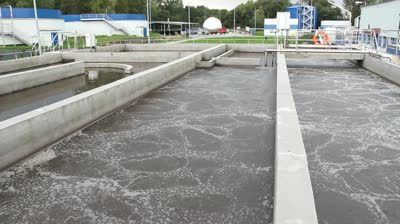
Zero Liquid Discharge
Minimum Order Quantity : 10000 Liters
Pump Type : Centrifugal or Positive Displacement
Capacity : Varies based on system design
Purity Level : 99+%
Power Consumption : Customized as per requirement
Flow Rate : Depends on input water volume
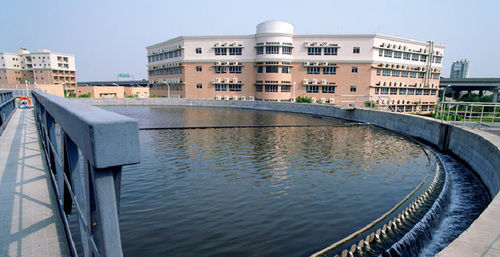
Desalination Water Treatment Plant
Minimum Order Quantity : 10000 Liters
Pump Type : High Pressure Pump
Capacity : 500 LPH 10000 LPH (liters per hour)
Purity Level : >= 98%
Power Consumption : 5 30 kW (depending on capacity)
Flow Rate : 500 LPH 10000 LPH
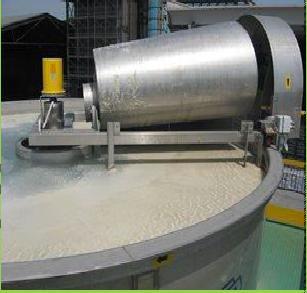
Dissolved Air Flotation System
Minimum Order Quantity : 10000 Liters
Pump Type : Centrifugal Pump
Capacity : 2100 m/h (customizable)
Purity Level : Up to 99%
Power Consumption : 2.2 kW
Flow Rate : 2100 m/h

Contact Details
GST : 33AAACZ9069R1ZE
- S.S. No.-303.3K, Serapalayam Post, Bodipalayam Road,Coimbatore - 641105, Tamil Nadu, India
- Phone :08045815706

 Send Inquiry
- Mobile :09585547031

Developed and Managed by Infocom Network Private Limited.
